
Paint chips are one of the most frustrating issues for car owners. They usually appear as small but noticeable marks on the paint surface, often caused by stones flicking up from the road, minor collisions, or general wear and tear. These chips don’t just affect your car’s sleek appearance—they also expose the underlying primer or metal, which can lead to rust and further deterioration if left untreated.
This often raises the question: can car detailing fix paint chips? While detailing can certainly improve the way your vehicle looks and even help protect the paintwork from worsening, it cannot permanently restore areas where paint is missing. Understanding what detailing can and can’t do is the key to deciding whether you need detailing, paint repair, or both.
Can Car Detailing Fix Paint Chips?
Car detailing is focused on cleaning, restoring, and protecting the paint that’s already on your vehicle. Processes like polishing, paint correction, waxing, and ceramic coating can make existing paint look glossier and healthier, but they cannot replace missing paint. This means detailing alone does not truly fix paint chips.
That said, detailing can still play an important role:
- Minimising visibility: By polishing and refining the surrounding paintwork, chips can appear less noticeable.
- Adding protection: Applying wax or ceramic coating helps to seal exposed areas, slowing down the spread of rust or flaking.
- Enhancing appearance: Even with small chips, a freshly detailed car looks dramatically better overall.
However, if you want a permanent solution, paint must be reapplied through touch-up paint, respraying, or protective film after repair.
How Paint Chips Are Normally Fixed?
Since detailing alone cannot permanently repair chips, here are the common ways they are properly addressed:
1. Touch-Up Paint
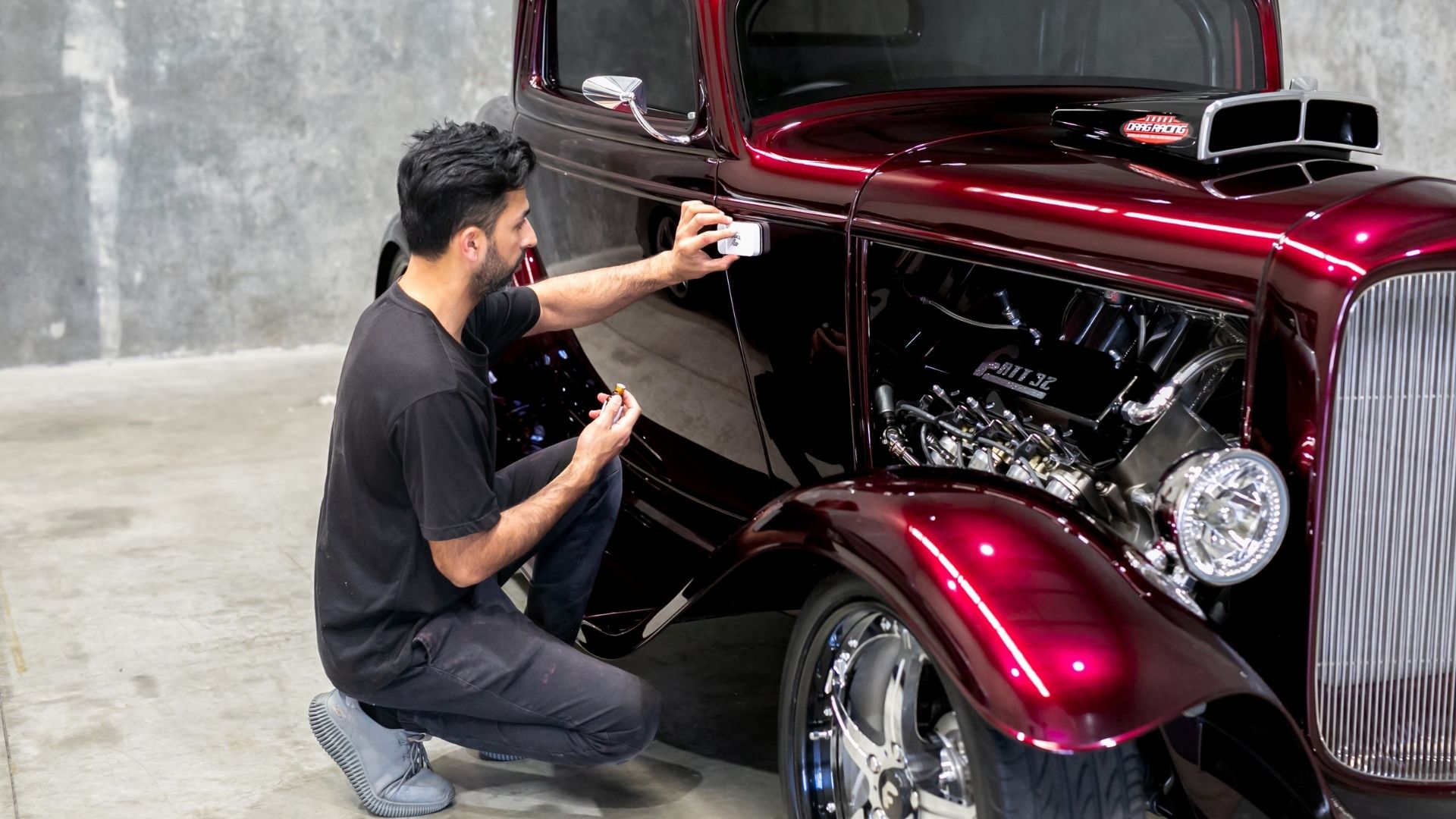
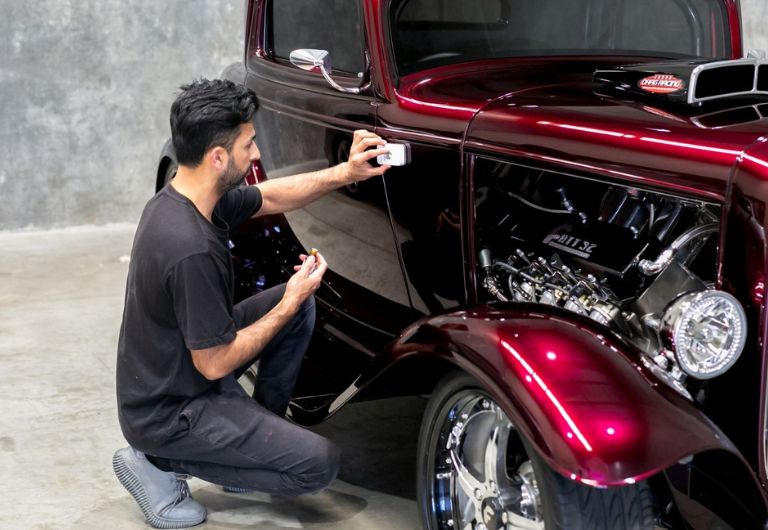
This involves carefully applying colour-matched paint to fill the chip. It’s ideal for small, isolated chips and restores a degree of protection, though the repair may not blend seamlessly under close inspection.
2. Paint Correction + Touch-Up
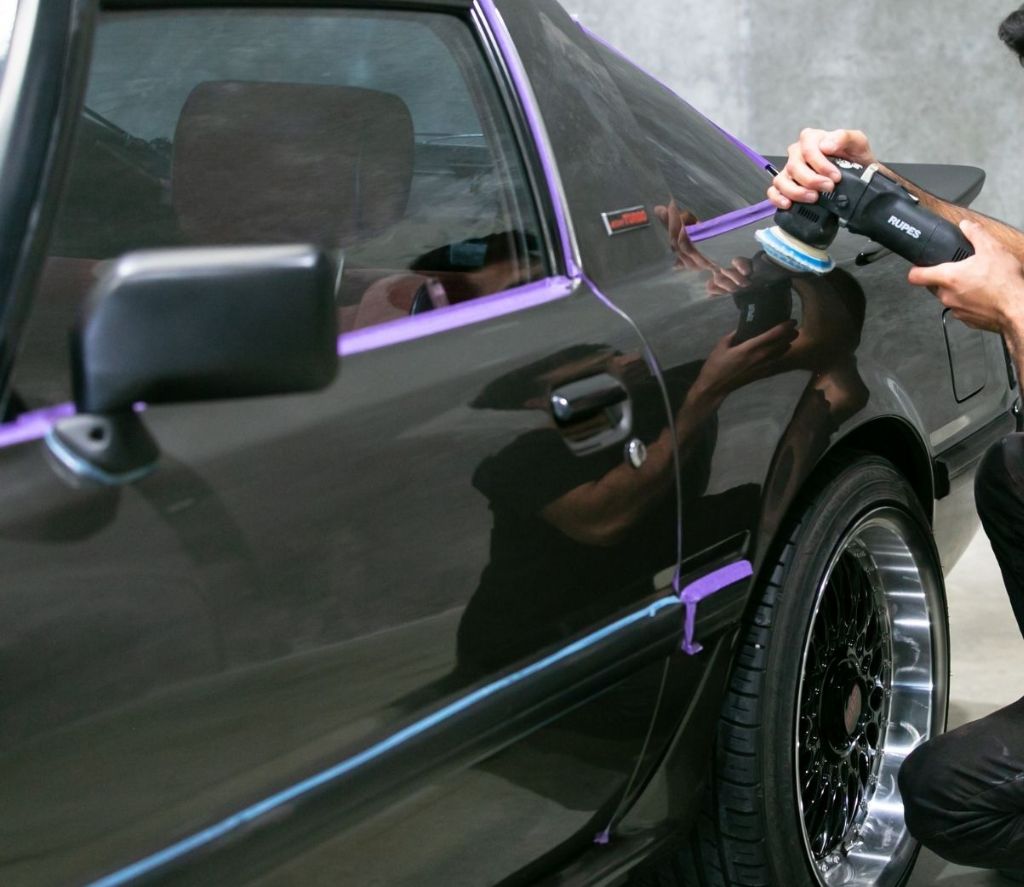
For a smoother finish, touch-up paint can be combined with machine polishing. The touch-up restores the missing colour, while polishing blends the area with the surrounding paint, improving the finish.
3. Professional Respraying
When chips are large, deep, or numerous, respraying the entire panel is often recommended. This ensures a flawless, uniform look but is more costly and time-consuming.
4. Paint Protection Film (PPF)
After chips are repaired, many car owners invest in PPF to prevent new ones from forming. This clear, protective layer is applied to high-risk areas like the bonnet, front bumper, and side mirrors.
How Detailing Helps with Paint Chips?
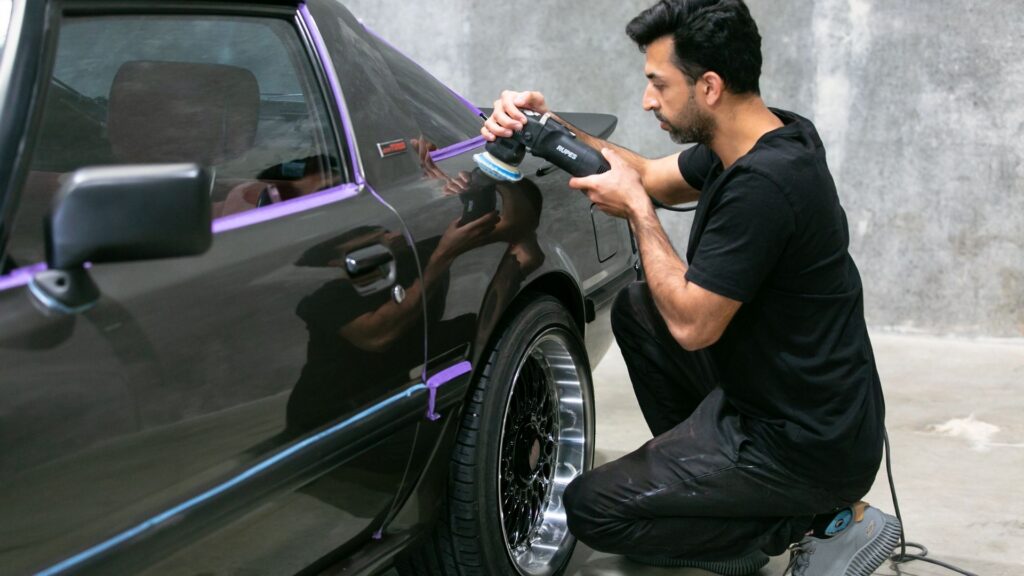
Even though it isn’t a repair method, detailing still adds significant value for vehicles with chips. A professional detail can:
- Blend surrounding paintwork so the chip is less visible.
- Add a protective barrier against moisture, road contaminants, and UV damage.
- Improve resale appeal, as a clean, glossy car appears better maintained.
- Detect early damage during the detailing process, helping you address chips before they turn into rust.
This makes detailing an important complementary service to repair work, ensuring the rest of the vehicle looks its best even if chips are present.
Detailing vs Repair: Which Do You Need?
Not every car needs both detailing and repair at the same time. The choice depends on the type and severity of the chips.
- Choose detailing if:
- Chips are minor and you’re more concerned with overall appearance.
- You want to protect the paint with wax, sealant, or ceramic coating.
- You’re preparing your vehicle for sale and want it looking polished.
- Choose paint repair if:
- Chips are deep, exposing primer or metal.
- Several chips are clustered in one area.
- You want a seamless, long-term finish without visible flaws.
Often, the best results come from combining both: repair the chips first, then have the car detailed to restore shine and apply long-lasting protection.
Preventing Paint Chips in the Future
Since paint chips are difficult to fully repair once they appear, prevention is always better than cure. A few proactive steps can reduce the risk significantly:
- Maintain safe following distance on highways to minimise stone chips from vehicles ahead.
- Apply ceramic coating or PPF to protect vulnerable panels from future damage.
- Wash regularly to remove grit and debris that could scratch or chip the paint surface.
- Repair chips promptly with touch-up paint to prevent them from expanding or rusting.
At Fine Automotive Detailing in Adelaide, we often recommend combining ceramic coating with paint protection film for customers who want the strongest defence against future chips and scratches.

Final Thoughts
So, can car detailing fix paint chips? The answer is no, not completely. Detailing can reduce the visibility of chips, improve the surrounding finish, and add protective layers to stop further damage—but it cannot replace missing paint. Permanent repair requires touch-up paint, panel respraying, or the application of protective films after repair.
What detailing does offer is long-term value. By enhancing your car’s shine, protecting its surfaces, and preventing further deterioration, it works hand-in-hand with repair methods to keep your vehicle looking its best.
At Fine Automotive Detailing, we focus on delivering detailing services that restore, protect, and maintain your car’s paintwork. While we don’t fill paint chips, our services complement professional chip repairs, giving you both cosmetic improvement and long-lasting protection.