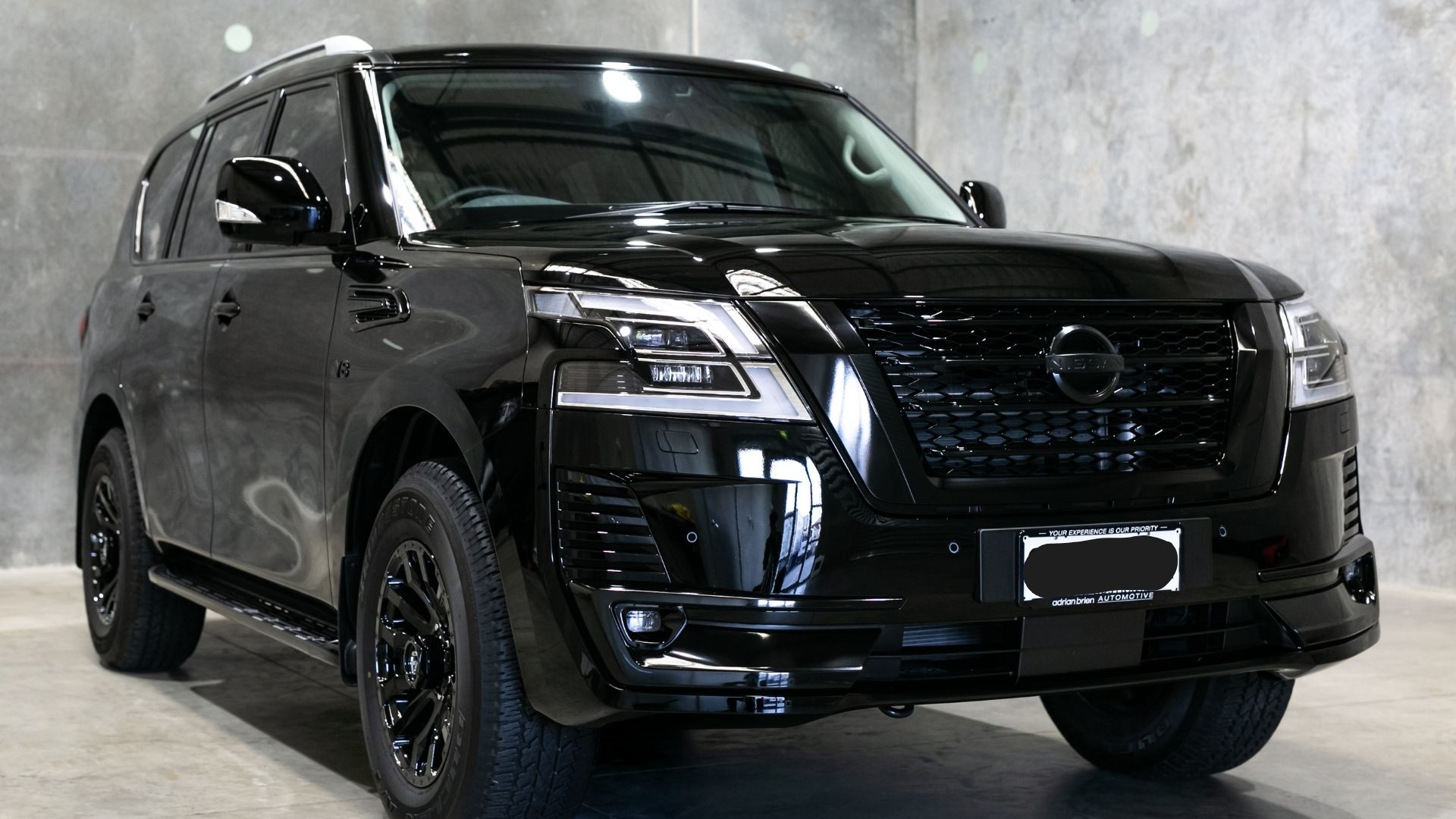
Car Window tinting is one of the most popular car upgrades among Australian drivers — and for good reason. It improves comfort, reduces glare, blocks UV rays, and enhances the overall look of your vehicle.
However, before you go dark with your tint, it’s important to understand what’s legal and what’s not.
So, are tinted windows legal in Australia?
The short answer is yes, they are — but with specific regulations that vary between states and territories. At Fine Automotive Detailing, we specialise in professional window tinting in Adelaide and ensure that every installation meets Australian safety and legal standards while maintaining superior performance.
Understanding Window Tint Laws in Australia
Window tint laws are based on Visible Light Transmission (VLT) — the percentage of visible light that passes through your car’s windows. The lower the VLT percentage, the darker the tint.
Each part of your vehicle (windscreen, front side, rear side, and rear windows) has its own legal VLT requirement. Exceeding these limits can result in fines or even having to remove the tint completely.
Legal Window Tint Percentages by Location
While regulations vary slightly between states, here’s a general overview of legal tint limits in Australia:
| Window Area | Legal Tint (VLT%) in Most States | Key Notes |
| Front Windscreen | Minimum 70% VLT | Tinting is generally restricted to the top 10% (sun strip). |
| Front Side Windows | Minimum 35% VLT | Ensures clear driver visibility day and night. |
| Rear Side Windows | 20%–35% VLT | Darker tints are allowed in most states for passenger privacy. |
| Rear Window | 20%–35% VLT | Rear visibility must be maintained with dual side mirrors. |
South Australia, where Fine Automotive Detailing is based, follows these same national standards — allowing up to 35% VLT for the front windows and 20% VLT for the rear, as long as the car has dual side mirrors.
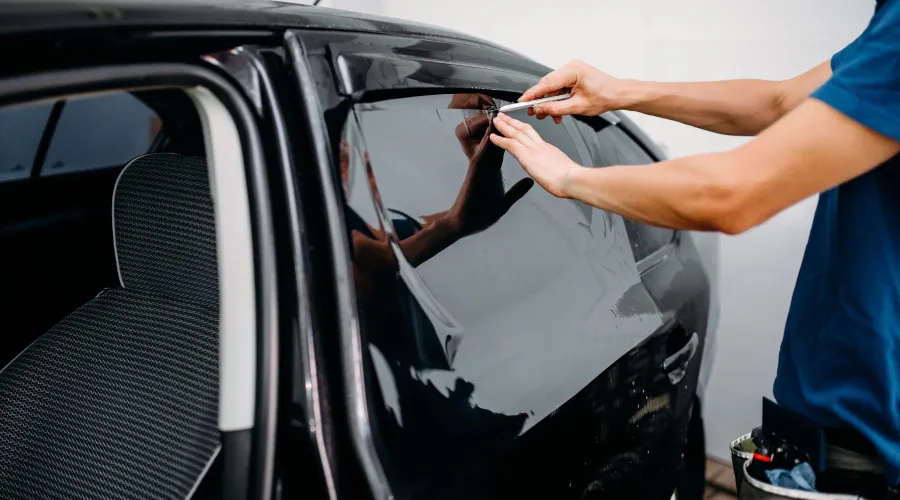
What Happens If Your Tint Is Too Dark?
Having tint darker than legally permitted may seem tempting, but it comes with risks:
- Defect notices or fines: Police can issue on-the-spot fines or require you to remove the tint.
- Vehicle inspection failure: Cars with illegal tints can fail roadworthy checks.
- Reduced insurance coverage: Some insurers may void claims if your car is found to be non-compliant.
At Fine Automotive Detailing, we ensure that all installations meet South Australian and national tinting regulations, giving you the peace of mind that your vehicle remains road-legal.
Choosing the Right Tint Shade
Legal tinting doesn’t have to mean sacrificing style. The Black Armor Elite range comes in multiple shades, from light to the legal darkest, so you can choose a look that fits your preferences while staying within regulations.
Our tint specialists can help you select the right balance of privacy, performance, and compliance for your car. Every installation is carried out in a controlled environment, ensuring a perfect, streak-free finish.
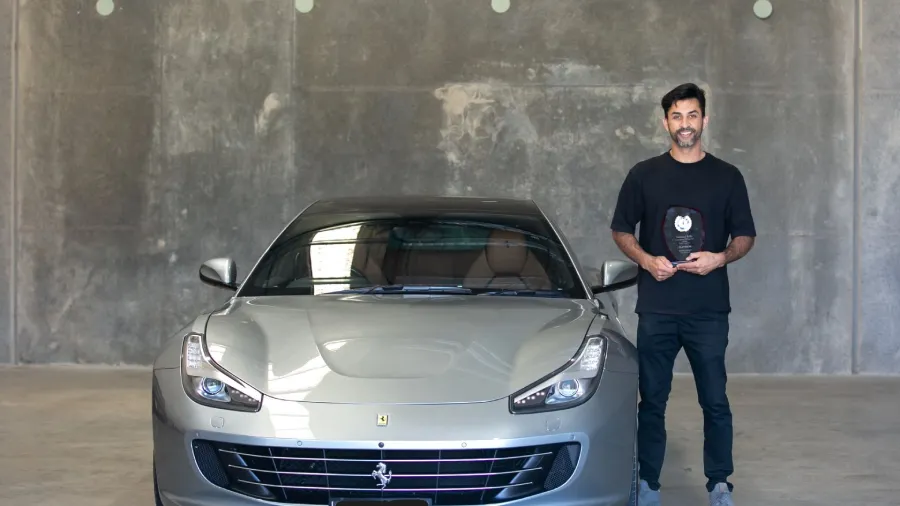
Professional Tinting Matters
While DIY tint kits exist, improper application can lead to bubbles, uneven coverage, and even non-compliance with legal limits.
Choosing professional tinting guarantees not only a flawless finish but also peace of mind that your car meets all road safety standards.
At Fine Automotive Detailing, our technicians are trained in precision tinting installation using professional-grade tools and materials. Every project is quality-checked to ensure legal VLT accuracy and long-term durability.
Final Thoughts
So, are tinted windows legal in Australia?
Yes — as long as they comply with your state’s VLT regulations.
By choosing a reputable installer and a premium nano-ceramic film like Black Armor Elite, you can enjoy the benefits of cooler interiors, UV protection, and enhanced style — without breaking the law.
At Fine Automotive Detailing, we specialise in window tinting in Adelaide that perfectly balances comfort, compliance, and craftsmanship.
Book your consultation today to find the perfect tint for your vehicle.